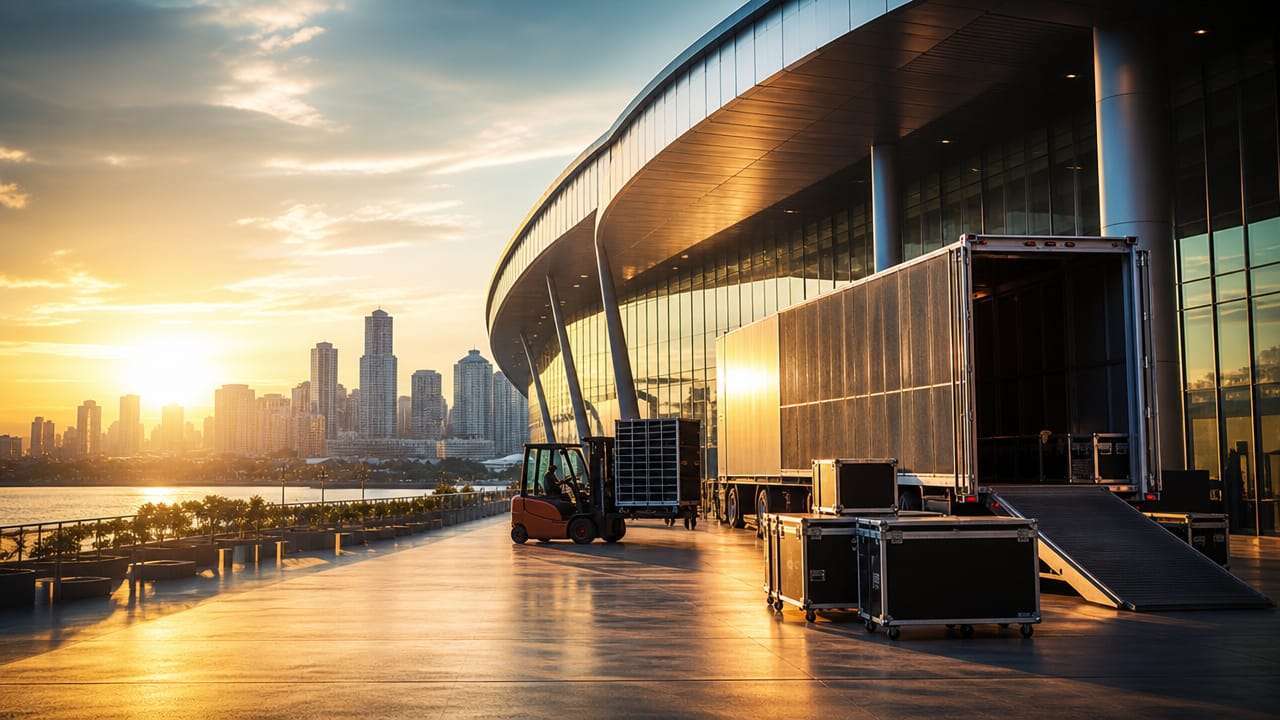



Best practices for loading and unloading at trade shows can be the difference between a smooth bump-in and an expensive delay. In Australia’s major venues, tight windows, restricted access, and strict safety rules mean exhibitors cannot rely on standard carriers alone. A structured approach to planning, compliant documentation, and specialist support ensures freight reaches the stand on time, intact, and ready to build, even during peak congestion at trade show loading docks.
Efficient loading and unloading starts weeks before the truck enters the venue access for exhibitors. Accurate weights, crate dimensions, and packing lists allow specialists to plan sequencing, so priority assets are unloaded first. Aligning your build schedule with timed delivery to exhibition halls reduces idle labour and stand-builder downtime. Compared with ad hoc exhibition freight arrangements, this disciplined planning limits demurrage, queuing delays, and last‑minute changes that can erode your event budget.
General carriers focus on point‑to‑point runs, while exhibition transport experts design movements around fixed bump‑in and bump‑out slots. They understand marshaling yards, height limits, and internal dock rules at Australian convention centres, so vehicles arrive compliant and ready to unload. This specialist knowledge lowers the risk of refused entry, re‑handling fees, and damaged freight when handling bulky display crates. It also simplifies interstate transport for exhibits that must connect seamlessly between shows on a tight calendar.
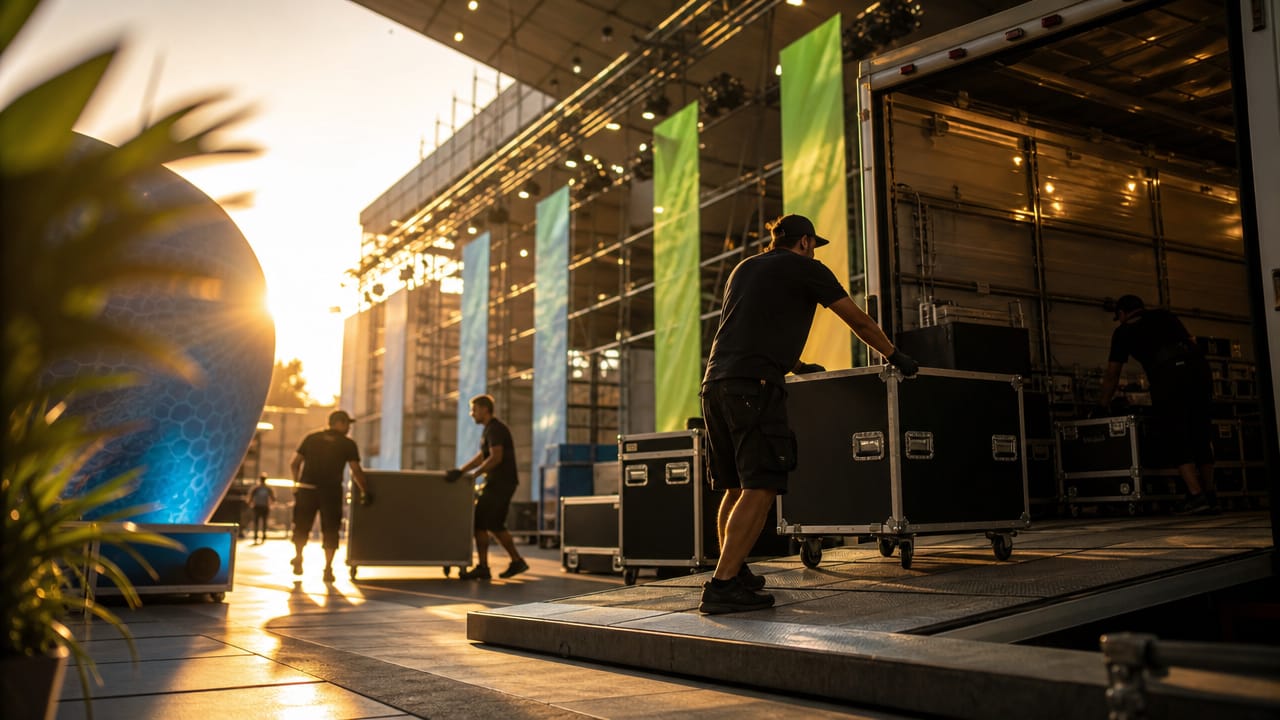
Robust pre‑show planning underpins best practices for loading and unloading at trade shows. Confirming dock bookings, vehicle types, and driver induction requirements prevents last‑minute access issues. Comprehensive labels, manifests, and insurance documentation accelerate check‑in and reduce disputes over damages. Engaging Exhibition Logistics and Freight specialists ensures your paperwork aligns with venue rules and Australian safety standards. In turn, your team spends less time troubleshooting and more time preparing the stand for visitors.
On‑site, disciplined safety and communication are just as important as timing. Professional teams coordinating onsite freight handlers separate pedestrian and vehicle zones, use licensed forklift operators, and deploy suitable trolleys and pallet jacks. This approach protects staff while also safeguarding stock and custom stand elements. For exhibitors needing secure storage between show days, specialists can consolidate cases off the floor and return them quickly at close. The same structured methods support efficient return freight after events, keeping assets accounted for and ready for the next show.
Ultimately, best practices for loading and unloading at trade shows give exhibitors control over risk, cost, and schedule. By choosing providers with deep trade show logistics experience, you gain predictable delivery, fewer surprises, and cleaner handovers to your stand builders. If you are planning your next event campaign, speak with a specialist team to compare options, clarify responsibilities, and lock in a tailored plan that keeps every movement on time and on budget.
Input your search keywords and press Enter.