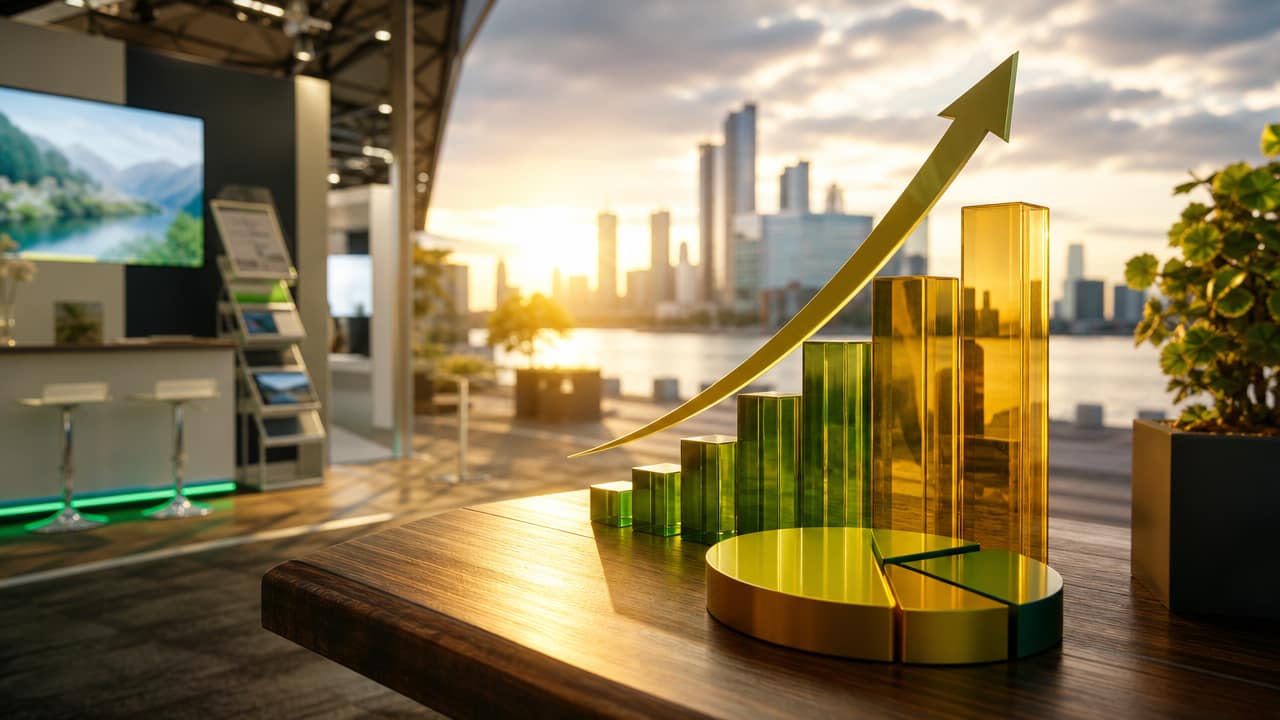



How to Measure ROI from Your Exhibition Participation is a critical question for Australian businesses investing in trade shows and industry events. Beyond the immediate sales you close on the stand, exhibitions influence brand visibility, new partnerships, and long-term pipeline growth. To stay competitive, you need a disciplined, ROI-focused exhibition planning approach that treats each event as a measurable commercial project, not a one-off marketing expense.
To measure trade show ROI effectively, start by defining what success means for your organisation before any stand is designed or booked. Common ROI-driven exhibition objectives include qualified lead volume, revenue generated, new accounts opened, and distributor or partner agreements. Articulating these clearly allows you to build an exhibition planning checklist that aligns activity with outcomes. This clarity is the first major point of differentiation between ad-hoc exhibitors and high-performing, data-led teams.
Leading exhibitors track more than badge scans; they systematically track leads from exhibitions using CRM tools, lead capture apps, and structured meeting notes. Key quantitative measures include number of marketing-qualified and sales-qualified leads, pipeline value, and cost per opportunity. Sophisticated teams also calculate event marketing ROI by combining revenue attribution with the full cost base of each show. Qualitative data, such as buyer feedback and brand recall, then adds context to the raw numbers and informs future investment decisions.

Specialist providers stand apart by using a clear, repeatable methodology to calculate ROI from exhibitions. A robust model incorporates stand design and build, floor space, freight, travel, staffing, and pre-show planning for ROI into one consolidated cost figure. Revenue then includes closed sales plus a sensible proportion of forecasted deals sourced from the event over a six to twelve-month period. This disciplined approach supports confident budget decisions and enables fair comparison between shows across your exhibition planning timeline.
Competitive differentiation emerges when you systematically evaluate exhibition performance rather than relying on gut feel. High-performing Australian exhibitors benchmark cost per qualified lead, average deal size, and conversion rates across multiple events and years. They build each campaign around structured Exhibition Stand Planning that tests messaging, engagement tactics, and staffing models. Post-show results analysis then feeds back into the next cycle, continually sharpening strategy and improving the predictability of returns from your exhibition program.
To move beyond basic trade show preparation and towards a truly ROI-led exhibition program, you need a partner who treats every event as an integrated sales and marketing campaign. Our team helps you design end-to-end, ROI-focused exhibition planning that connects objectives, stand design, operations, and follow-up into a single performance framework. If you are ready to compare your options and build a more accountable exhibition strategy, speak with our specialists today to review your recent events and identify specific steps to strengthen future returns.
Input your search keywords and press Enter.