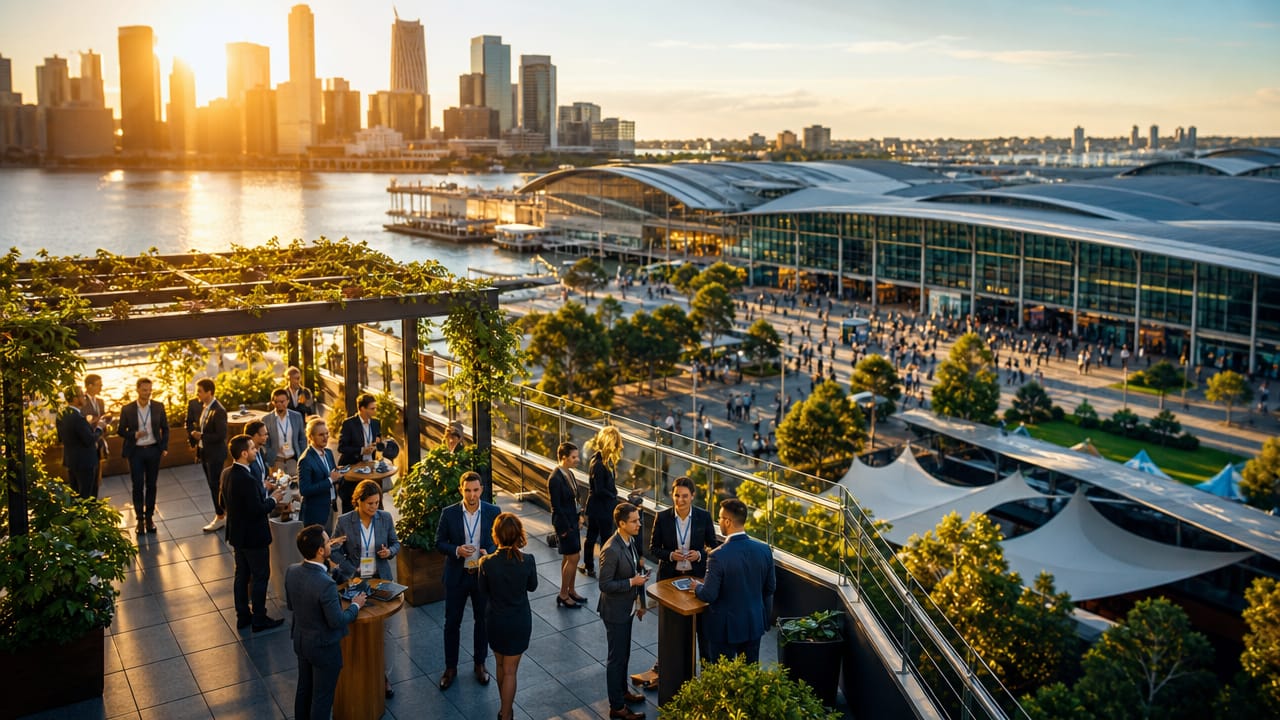



The Role of Networking in Successful Exhibition Planning
Networking in successful exhibition planning is the factor that most clearly separates average events from market‑leading Australian exhibitions. Beyond basic logistics, strategic relationships influence venue access, stand locations, supplier pricing, and promotional reach. A planner with deep, trusted networks can secure better dates, negotiate flexible terms, and respond quickly when conditions change, giving exhibitors and sponsors a measurable commercial advantage.
In Australia’s competitive events sector, networking-focused exhibition planning links planners with venue managers, freight specialists, and local authorities who directly affect risk, cost, and compliance. These relationships mean faster approvals, clearer contingency options, and more reliable delivery for complex builds. When compared with providers who rely on ad hoc contacts, a networked partner offers smoother operations, fewer surprises, and stronger confidence for stakeholders working to tight launch windows.

Effective networking shapes strategy by keeping planners close to real market data, not assumptions. Regular engagement with industry associations and chambers informs how an exhibition planning checklist should adapt to new technologies and visitor expectations. This insight guides stand design, session timing, and content selection so that B2B networking at trade shows feels purposeful, not incidental. As a result, exhibitors see higher-quality conversations and clearer sales pipelines from each show.
Leading planners differentiate themselves through the breadth and depth of their partner ecosystem. They coordinate with logistics teams, audiovisual providers, tourism bodies, and marketing agencies from the earliest exhibition planning timeline discussions. Strong ties with customs and freight experts reduce risks for international participants, while local tourism partners help refine Australian exhibitor networking strategy and delegate itineraries, enhancing both satisfaction and dwell time on the show floor.
The most capable providers build processes that turn relationships into repeatable outcomes. Their Exhibition Stand Planning approach integrates a pre-show networking checklist, clear networking goals for exhibitions, and trade show networking preparation into every project. Rather than leaving meetings to chance, they align program formats, floorplans, and hospitality zones with targeted introductions and sector‑specific meetups, ensuring that commercial outcomes match the investment made by exhibitors and sponsors.
When comparing your options, ask potential partners how their industry networking before events has reduced risk, improved ROI, or accelerated trade show preparation for previous clients. Look for specific examples, not general claims, and seek clarity on how they measure success across networking in exhibition timelines. To explore a structured, relationship-led approach that prioritises local insight and measurable commercial outcomes, speak with our specialist team today and plan your next event with confidence.
Input your search keywords and press Enter.