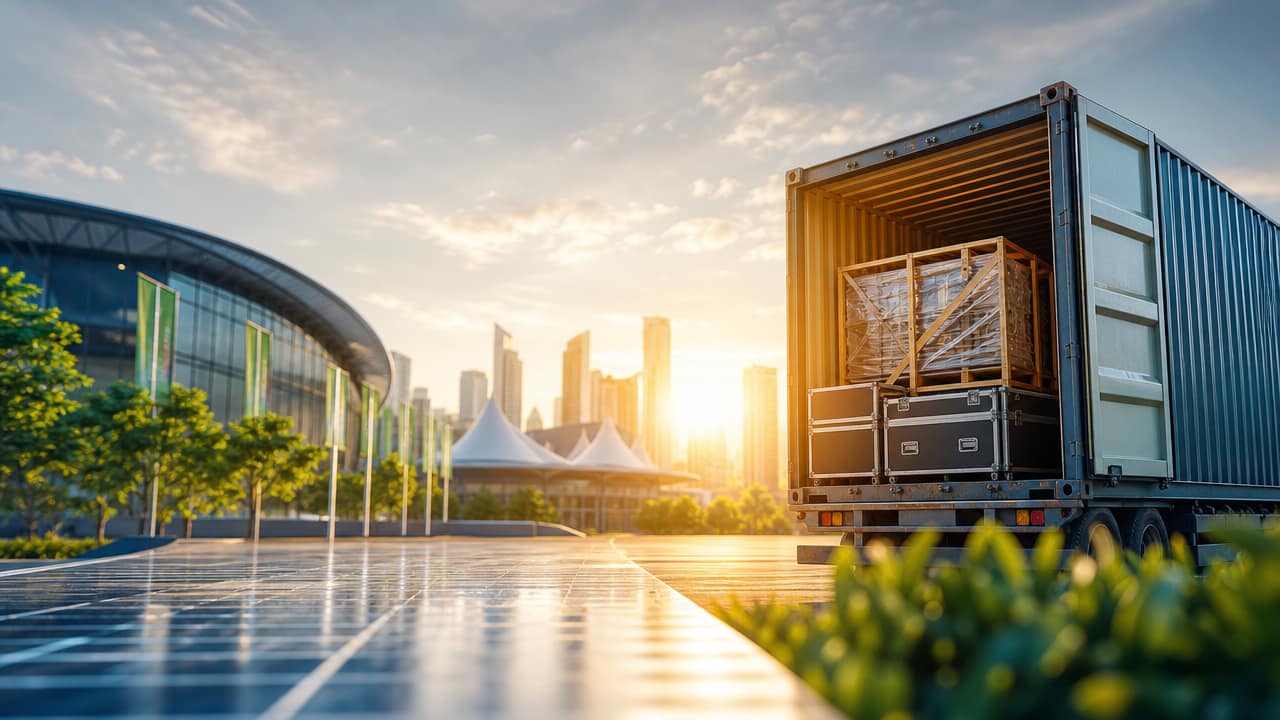



Exhibition Logistics and Freight is rapidly becoming a board-level concern for Australian organisers as live events rebound and complexity surges. With shorter lead times, constrained capacity and rising sustainability expectations, your freight partner can either de‑risk your show or quietly introduce vulnerabilities. The most effective leaders now interrogate freight capability as rigorously as they would a digital platform or major sponsorship, using structured questions to separate genuine specialists from general transport providers.
“Your freight provider is not just moving crates; they’re protecting revenue, reputation and relationships in real time.”
The most strategic event teams treat freight due diligence as a structured interview, not a rate comparison. Go beyond basic exhibition freight pricing and probe the provider’s track record with events similar to yours, including references and performance metrics. Ask how they resource peak seasons, manage clashes between shows, and coordinate multiple venues or cities across a compressed calendar. A credible answer should demonstrate capacity modelling, not just optimism.
Operational discipline is where the gap between a carrier and a true trade show logistics specialist becomes stark. Ask for a walkthrough of their move‑in and move‑out plan, including venue loading dock logistics, dock booking processes and escalation paths when schedules slip. Clarify how they handle time-sensitive event freight, after‑hours access and stand‑by contingencies if flights or linehaul are disrupted. Detailed, scenario-based answers are a strong indicator of real-world experience.
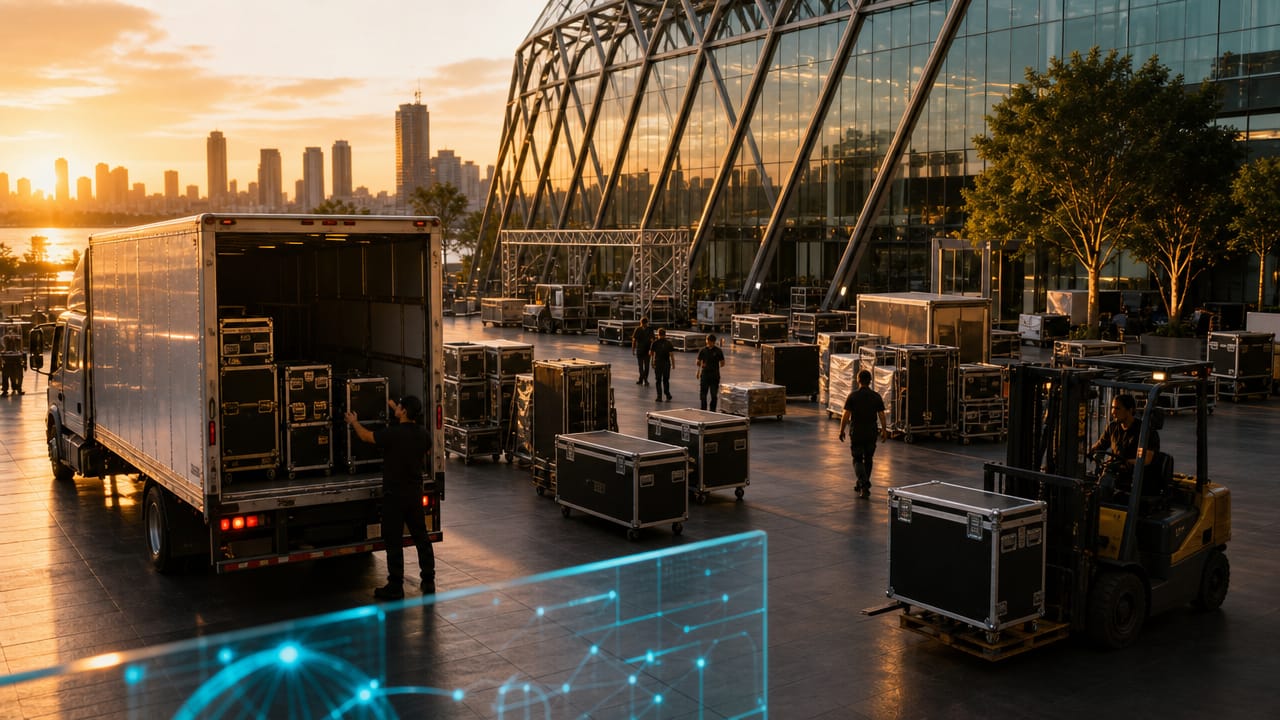
For shows with international exhibitors, customs capability can make or break launch dates. Your event freight questions should cover ATA carnets, temporary imports, biosecurity risks and how the provider stays ahead of Australian Border Force changes. At the same time, boards are demanding evidence that exhibition transport decisions align with corporate climate targets. Ask how they optimise routes, consolidate loads, use reusable packing and manage return transport for exhibitions to reduce both emissions and costs.
Strategic organisers also consider how freight decisions influence exhibitor experience and rebookings. Poor exhibition display freight handling or unclear interstate event freight planning can quickly erode exhibitor confidence, regardless of visitor numbers. Look for partners who share data post‑event, highlight exhibition stand transport tips, and recommend process changes rather than simply repeating last year’s plan. This is where Australian trade show freight evolves from an operational necessity into a competitive advantage.
Ultimately, you’re not buying trucks; you’re investing in resilience for live, business‑critical moments. A provider that can advise on Exhibition Logistics and Freight across multiple years, venues and formats will help you budget more accurately, protect margins and safeguard your brand. To stress‑test your current approach, commission an independent review of your exhibition transport strategy and identify practical improvements before your next show hits the floor.
To explore how these principles apply to your portfolio, speak with a specialist who can benchmark your current logistics model, identify hidden risks and outline a roadmap for higher‑performing, lower‑stress events.
Input your search keywords and press Enter.