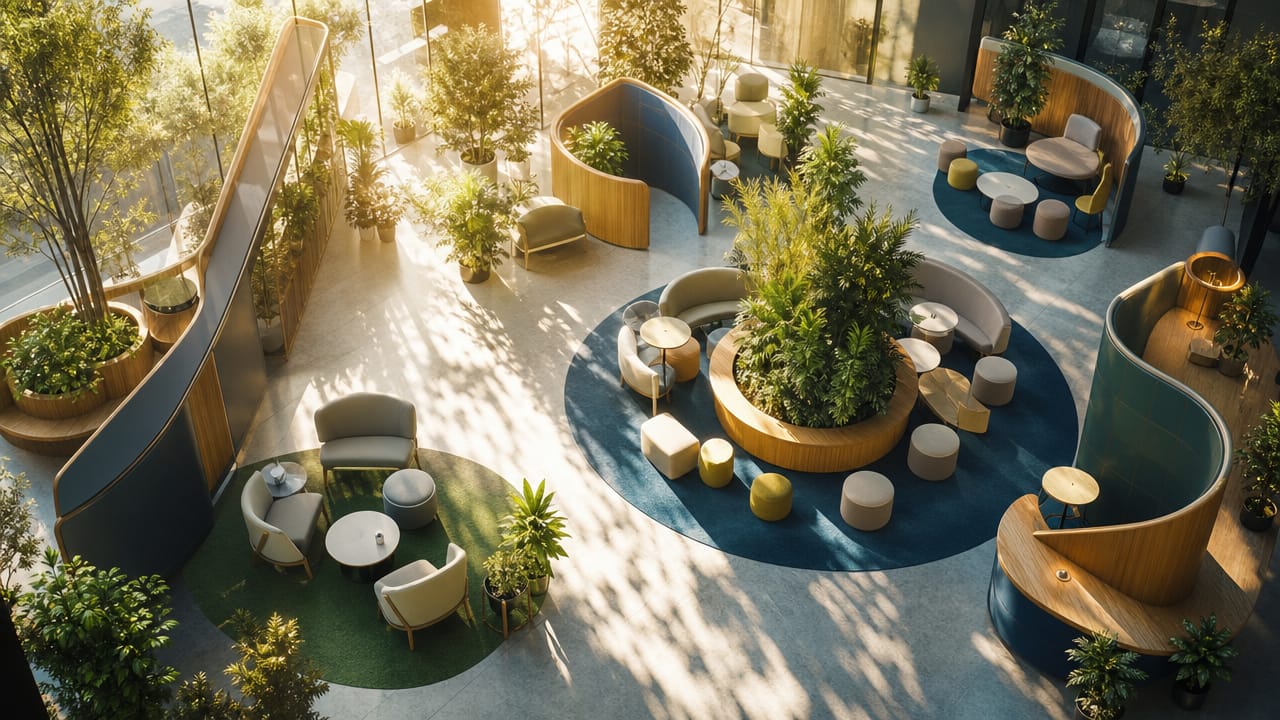



Designing for Networking: Spaces that Foster Connections is rapidly becoming a strategic priority for Australian organisations competing in crowded trade shows and conferences. As marketing and sales teams face pressure to convert fleeting interactions into qualified conversations, the focus is shifting from spectacle to intent. The most successful brands now treat their stands as networking infrastructure, not just branded backdrops, using spatial planning, technology and hospitality to engineer better relationship outcomes.
In a mature events market, the real competitive edge lies in how effectively your space enables conversations, not how loudly it shouts for attention.
Trade shows in Australia are evolving from product-led showcases to relationship-led marketplaces. Attendees arrive with clear agendas: to discover solutions, meet experts and benchmark suppliers, not simply to collect brochures. In this context, Exhibition Stand Design that prioritises human connection outperforms purely visual approaches. Stands that ignore circulation, acoustics and comfort often create bottlenecks that undermine lead quality, despite impressive branding or ambitious exhibition booth design concepts.
High-performing networking environments start with mapping who needs to meet whom, then zoning accordingly. A networking-focused stand layout usually blends open welcome areas for first contact, semi-enclosed spaces for deeper discussions and relaxed lounges for peer-to-peer exchanges. Open plan exhibition stand configurations can work well when balanced with quieter pockets that support longer meetings. Furniture choices, acoustic treatments and high-impact stand lighting should all serve the same goal: keeping conversations flowing without fatigue.
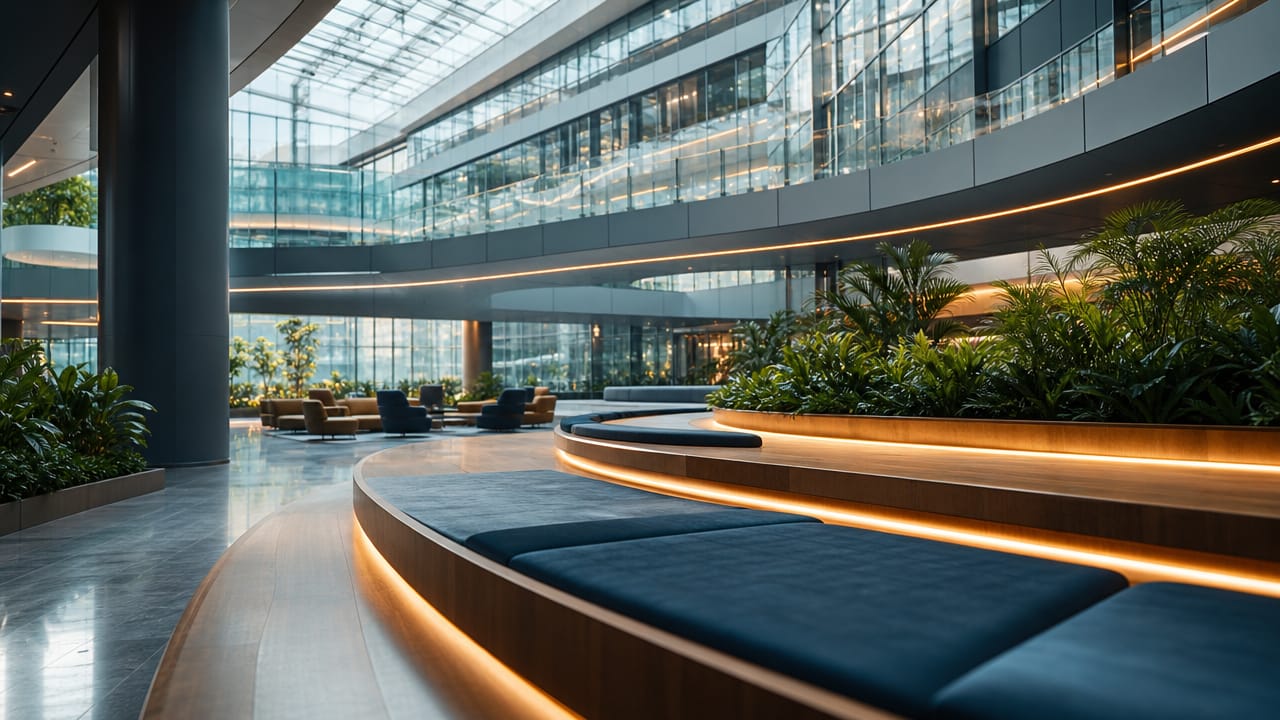
Leading exhibitors are moving beyond generic layouts towards experience-led, industry-specific stand concepts. We are seeing more micro-theatres for short talks, hosted coffee bars to encourage dwell time and branded meeting pod design for pre-booked appointments. Sustainability remains central, with reusable custom exhibition stands and rental furniture seen as both ethical and commercially savvy. At the same time, visual storytelling booth graphics and interactive product display zones are used to spark curiosity, then hand over quickly to human dialogue.
Forward-thinking teams are also experimenting with small footprint networking stands that still deliver strong engagement through smart flow, vertical design and clear sightlines. Rather than cramming in product, they curate a few strong exhibition stand ideas supported by digital demos, QR-enabled content and light-touch data capture. This approach aligns with the Australian preference for authentic, unforced conversation. It also gives marketers richer analytics on dwell time, meeting density and which zones drive the best commercial outcomes.
For organisations serious about Designing for Networking: Spaces that Foster Connections, the priority is to treat every event as a working prototype. Observe how prospects move, where conversations stall and which activities feel forced. Use those insights to refine your next Exhibition Stand Design brief, challenging assumptions about size, spectacle and technology. By focusing on how people actually connect, you transform your stand from a cost centre into a repeating asset that compounds relationship, reputation and revenue value over time. To explore how these principles could reshape your next show, review your current stand strategy and speak with a specialist events partner.
Input your search keywords and press Enter.