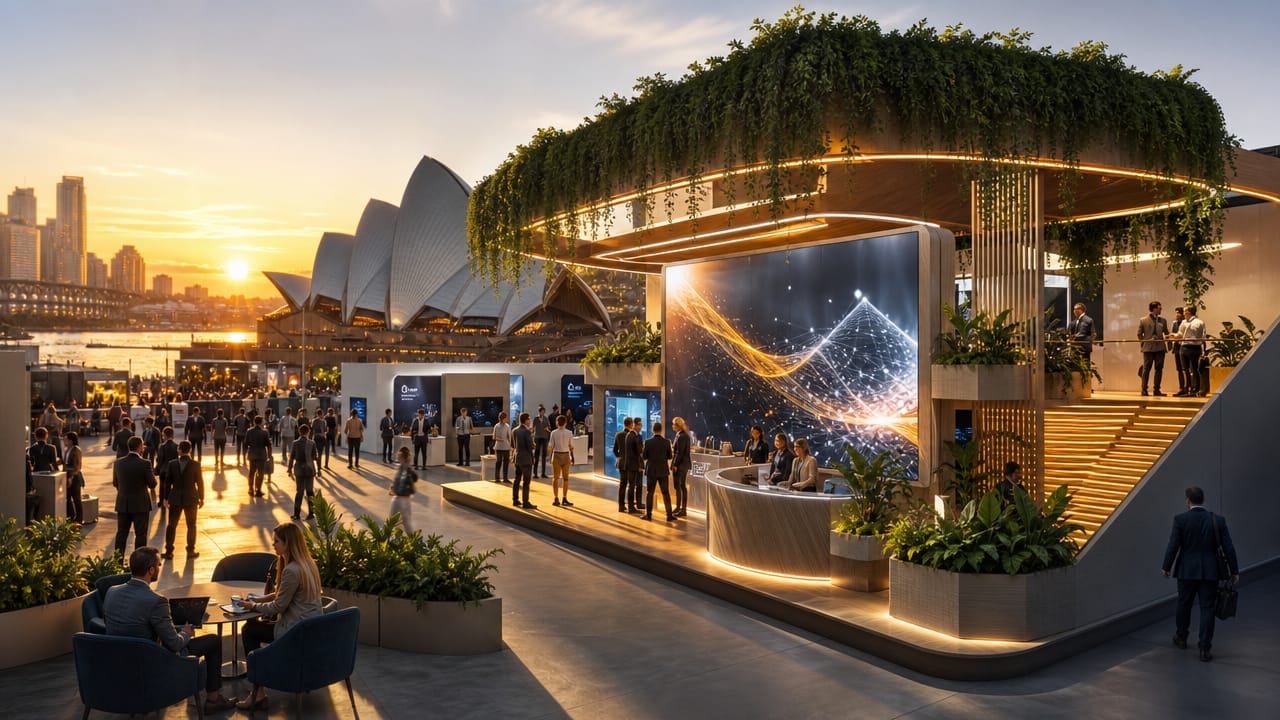



How to optimise your exhibition stand for maximum impact is now a strategic question, not a design afterthought. In Australia’s rapidly evolving business-events sector, stands are becoming high-performance environments for learning, selling and relationship building. Brands that treat their space as a live test bed for customer insight, not a decorated shopfront, are pulling ahead. This shift demands tighter alignment between exhibition objectives and planning, data, technology and on-stand behaviour.
In a market where every square metre carries a premium, your stand must justify its footprint with measurable commercial outcomes.
Australian organisers are increasingly curating shows around impact, not occupancy. That means better placement, co-marketing and speaking slots go to exhibitors who demonstrate rigorous pre-exhibition planning steps and clear value to attendees. Against tighter budgets and sustainability pressures, leadership teams want evidence that each stand contributes to pipeline, learning and partnerships. Stands that combine strategic focus with smart measurement are best placed to defend—and grow—their event investment.
Effective Exhibition Stand Planning starts with a sharp definition of success: which decision-makers you must reach, the conversations you need, and the data you want to capture. Replace broad goals like “visibility” with metrics such as qualified meetings, demos and post-event proposal volume. Treat your exhibition planning checklist as a commercial blueprint, linking space design, staffing, technology and content directly to those outcomes. This rigour helps senior stakeholders see the stand as part of an integrated growth strategy, not a discretionary marketing spend.
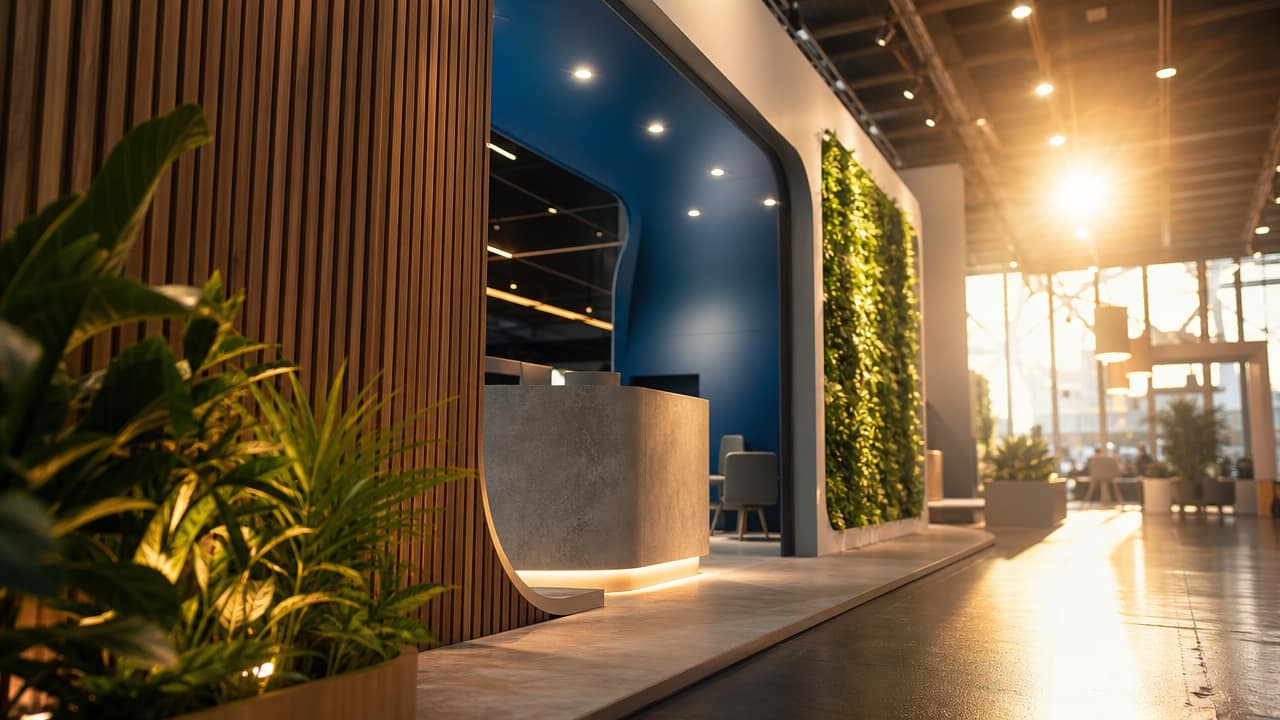
On a crowded floor, attention is won by clarity, not clutter. High-performing Australian stands use a single compelling message, strong vertical branding and intuitive pathways that lead visitors towards demos and conversations. A disciplined exhibition stand planning checklist should cover sightlines, open corners, acoustic comfort and meeting privacy. Integrating concise video, tactile product interactions and focused conversation pods encourages deeper dialogue rather than fleeting scans of your graphics.
Technology must simplify engagement, not overwhelm it. Touchscreens, QR codes and lead apps are most powerful when they feed a coherent trade show preparation and follow-up plan integrated with your CRM. Progressive exhibitors are experimenting with AI tools to qualify interest, suggest content and support multilingual conversations. The real advantage comes from a documented exhibition planning timeline that connects each scan or session to tailored nurture flows, enabling sales teams to prioritise the most valuable opportunities.
Finally, treat every show as a structured experiment. Use an event-day preparation checklist and exhibition stand staffing plan to test variables such as messaging, layouts, session formats and offers. Compare performance across your trade show prep timeline, noting which combinations generate the strongest pipeline and relationship outcomes. Over a year of Australian trade show preparation guide activity, these iterative improvements compound into a material competitive edge. Review your upcoming calendar, audit your current approach, and engage a specialist to pressure-test your plan before the next show doors open.
To explore how to optimise your exhibition stand for maximum impact at your next Australian event, review your current stand strategy against these principles and speak with an exhibition expert who can align design, technology and measurement with your growth objectives.
Input your search keywords and press Enter.