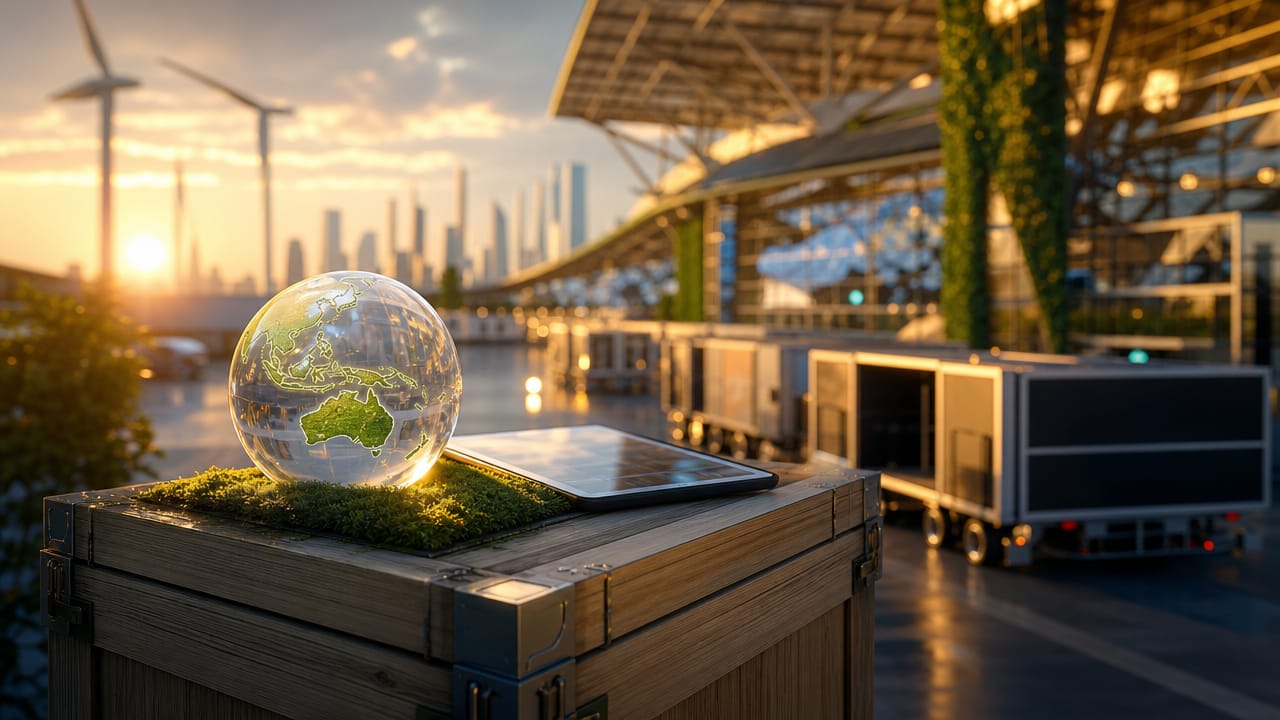



The Future of Exhibition Logistics: Trends to Watch in 2026
By 2026, exhibition logistics in Australia will be defined less by trucks and pallets, and more by data, emissions and customer experience.
Exhibition logistics in Australia is entering a pivotal phase as major venues forecast near pre-pandemic volumes for 2025–26. With higher expectations and tighter margins, organisers are reassessing how Exhibition Logistics and Freight contributes to commercial outcomes, not just on-time delivery. The conversation is shifting from operational firefighting to strategic design. In this environment, partners who blend executional reliability with data, sustainability and risk intelligence will set the benchmark. Those still treating exhibition freight as a commodity service will rapidly lose ground.
The rebound in exhibitions is coinciding with structural pressures: decarbonisation, cost volatility, and increasingly hybrid event formats. This convergence makes 2026 a test year for trade show logistics models built for a simpler, centralised calendar. Organisers can no longer rely on improvised fixes when venue access and loading logistics go wrong, or when weather, ports and labour disrupt schedules. Forward-looking teams are embedding logistics into event design, using scenario plans and data-led forecasting as standard inputs, not last-minute contingencies.
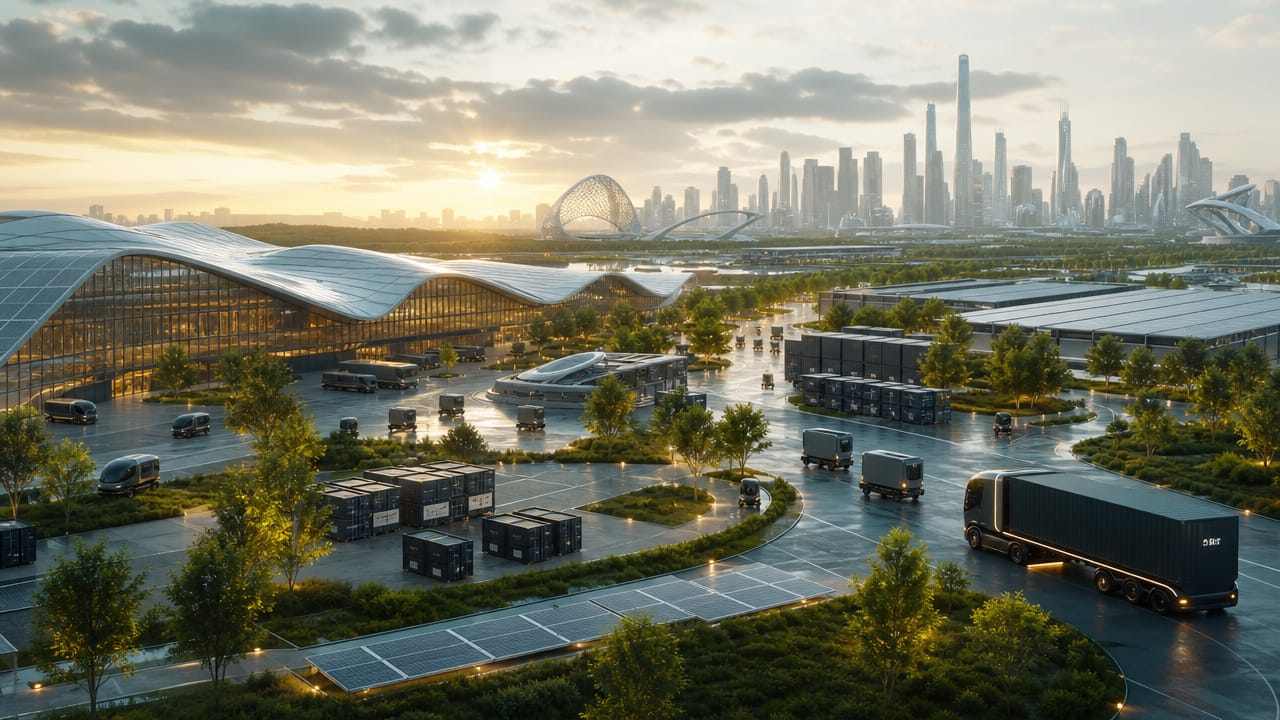
By 2026, sustainability will sit alongside cost and reliability when assessing exhibition transport partners. Organisers are already asking for emissions baselines, low-carbon modes, and consolidated exhibition freight services that minimise partial loads. At the same time, digital visibility is becoming non-negotiable. Real-time tracking, alerts and digital manifests allow precise bump-in sequencing and more efficient on-site exhibition freight handling. As brands move towards roadshows, regional pop-ups and studio-based hybrid formats, agile networks and interstate trade show transport will matter more than sheer fleet size.
These shifts are redefining what “premium service” looks like. Time-sensitive exhibition freight will be judged on predictive capability and exception management, not just delivery windows. Providers who integrate data feeds directly into event platforms will help organisers optimise door-to-venue exhibition delivery and staff rosters in one view. Meanwhile, distributed warehousing closer to key precincts in Sydney, Melbourne and Brisbane can shorten lead times while reducing fuel exposure. The winners will link these operational decisions back to commercial metrics like revenue protection and brand consistency.
Risk profiles are also changing. More complex floorplans, tighter tenancy windows and sophisticated AV builds increase dependency on precise end-to-end trade show logistics planning. Robust scenario design now includes alternate routings, backup suppliers, and clear playbooks for return transport after exhibitions. Organisers who involve logistics specialists early can test different freight pathways, stress-test schedules, and model the implications of delayed access. This approach turns logistics from a single point of failure into a source of resilience and competitive differentiation.
For Australian organisers and exhibitors, the priority is to treat logistics as a strategic investment. Review how your exhibition freight is planned, tracked and reported, and clarify expectations around emissions, data and accountability. Challenge partners to demonstrate how their capabilities improve audience experience and protect revenue, not just deliver to dock. If your 2026 calendar is already taking shape, now is the time to engage experts, benchmark your current model, and redesign your logistics strategy to support the next generation of events.
Input your search keywords and press Enter.