



Creating a seamless logistics plan for trade shows in Australia can be the difference between a packed stand and a costly no‑show. Tight bump‑in windows, strict venue rules and long supply chains mean any weak link can stall your activation. A structured approach built around expert Exhibition Logistics and Freight support helps safeguard budgets, timelines and your brand reputation.
Start by clarifying why you are exhibiting and which metrics matter: qualified leads, booked demos, partner meetings or media exposure. From there, catalogue every element of your stand, including AV, samples, collateral and structural components, to build a detailed exhibition freight profile. Capture dimensions, weights, packing style and any special handling instructions. This data underpins accurate costing, smarter mode choices and smoother trade show logistics with fewer surprises on site.
Trade show calendars are unforgiving, and generic carriers rarely understand targeted move‑in windows or complex venue rules. A specialist partner brings practical experience with exhibition transport, Australian venues and organiser protocols. Look for on‑site representation, customs brokerage, quarantine knowledge and secure storage for exhibition freight between events. Early engagement allows them to flag risks, optimise routes and align their team with your internal stakeholders before freight starts moving.
Work backwards from the moment doors open, allowing realistic time for stand build, testing and last‑minute adjustments. International and interstate exhibition transport services must also absorb customs clearance, quarantine checks and potential port or road disruptions. Translate these dependencies into a milestone schedule with packing cut‑offs, carrier departures and venue delivery windows. Share this plan with your logistics provider and stand builder so everyone is accountable for the same critical path.
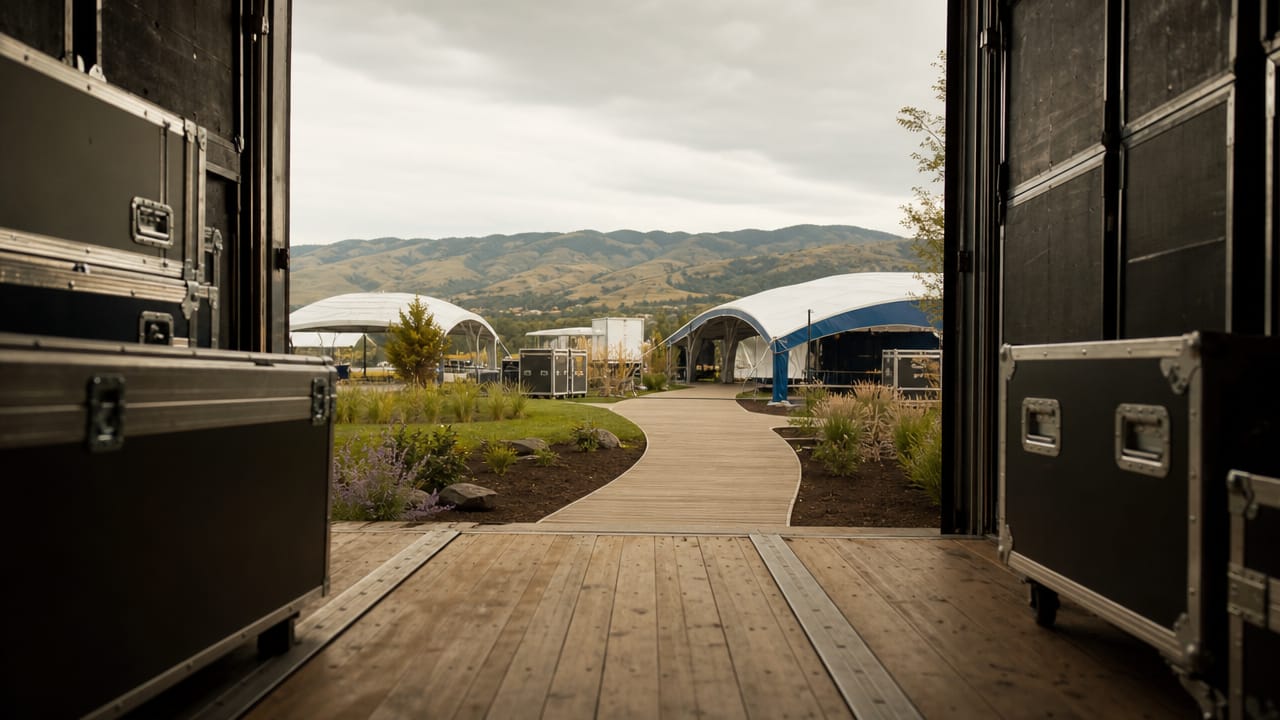
Stands are increasingly tech‑heavy and fragile, so robust, reusable crates with internal bracing are essential. Standardise labels with event name, stand number, contact mobile and box sequence to streamline venue loading dock logistics. Include clear notes for fragile, high‑value or temperature‑sensitive assets and photograph loads before dispatch. Good packing reduces damage claims, speeds up bump‑in and keeps time-critical trade show freight flowing when marshaling yards are congested.
For overseas exhibitors, compliant paperwork is non‑negotiable. Temporary imports, ATA carnets and promotional samples are treated differently at the border, and poor exhibition freight planning can trigger costly delays. Engage customs and biosecurity specialists early to interpret Australian Border Force and DAFF requirements. Confirm you have suitable transit and exhibition insurance, including cover for theft, damage and overnight hall exposure, especially for premium LED walls and interactive displays.
Well before show week, confirm access routes, forklifts, storage cages and waste removal with the organiser. Ensure your provider will manage end-to-end trade show logistics on site, from bump‑in coordination to return transport for exhibition stands. Lock in how empty crates will be stored, when they will be redelivered, and how leftover stock will be consolidated. Planning return movements early avoids post‑show chaos when teams are tired and venues are clearing fast.
Even with meticulous planning, weather, port congestion or venue incidents can disrupt shipments. Build contingency routes, keep critical items separate, and prioritise backups for essentials like demo units or graphics. Coordinating exhibition transport suppliers under a single lead provider reduces finger‑pointing and speeds up problem‑solving. If you’re ready to de‑risk your next Australian show and turn logistics into a competitive advantage, speak with our Exhibition Logistics and Freight specialists to request a tailored plan and quote.
Input your search keywords and press Enter.