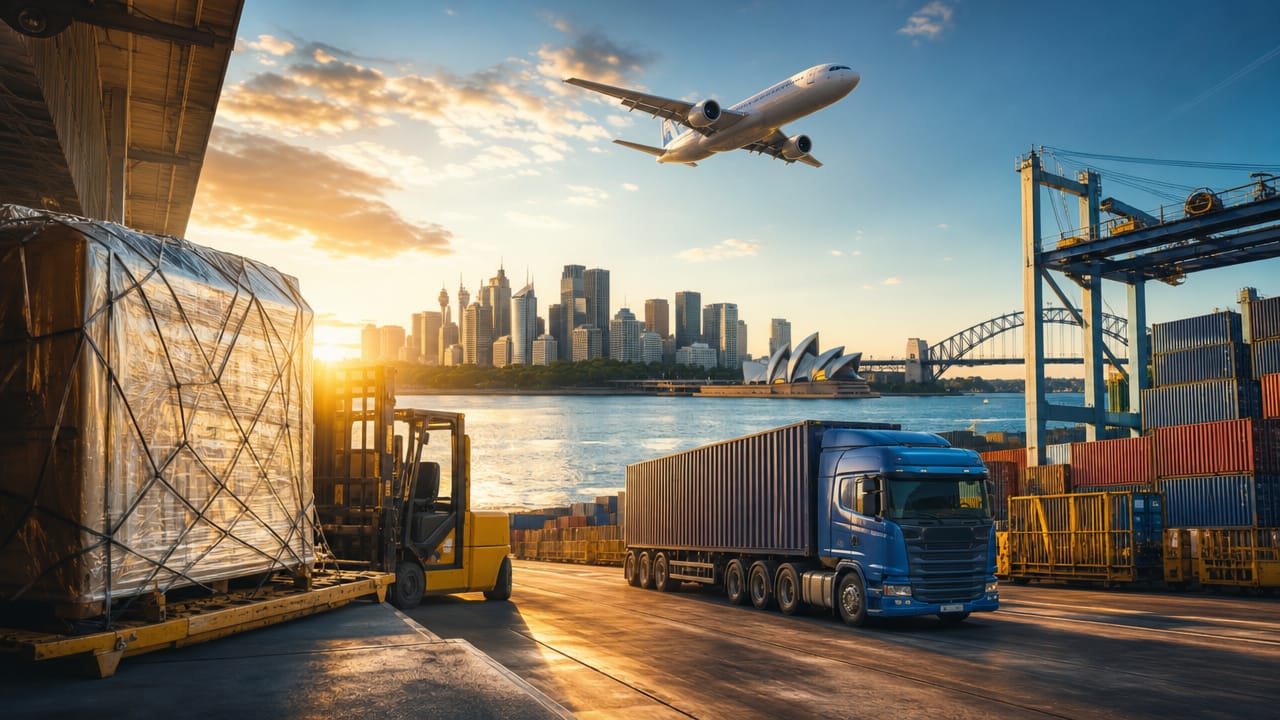



Understanding freight costs for exhibitors in Australia starts with recognising how many moving parts sit behind a single on-time delivery. Choosing between air, sea and road freight shapes both budget and risk profile, and getting this balance right is the foundation of effective exhibition freight planning. Air freight offers speed and security for urgent or high-value pieces such as electronics, but attracts premium per‑kilo rates. Sea freight is slower yet far more economical for international exhibitors shipping modular stands and bulk collateral into Sydney, Melbourne or Brisbane. Domestic road freight then links ports, warehouses and venues, turning long-haul shipments into practical exhibition transport solutions.
At the core of exhibition freight budgeting is the concept of chargeable weight, which can catch out first‑time exhibitors. Carriers bill on either actual or volumetric weight, whichever is higher, so lightweight but bulky display structures may cost more than expected. Distance and destination also influence trade show freight costs, with metro venues generally enjoying sharper rates than regional expo centres that require extra linehaul legs and access fees. For interstate exhibition transport, road remains the workhorse, but time‑sensitive moves may justify air uplift for critical components only. A mixed‑mode strategy often delivers the best compromise between speed and control.
For overseas exhibitors, regulatory charges can materially change landed costs long before anything reaches a loading dock. Customs clearance, import duties and GST must be factored alongside Australia’s strict biosecurity rules, which can trigger inspections or treatment for wooden crates, textiles and food samples. Insurance, typically arranged via marine cargo cover, is relatively inexpensive compared with the value of complete exhibition stands and AV equipment. Specialist providers bundle documentation, quarantine coordination and insurance into integrated trade show logistics packages. This approach reduces administrative burden while limiting the risk of delays that can derail carefully planned event freight scheduling.
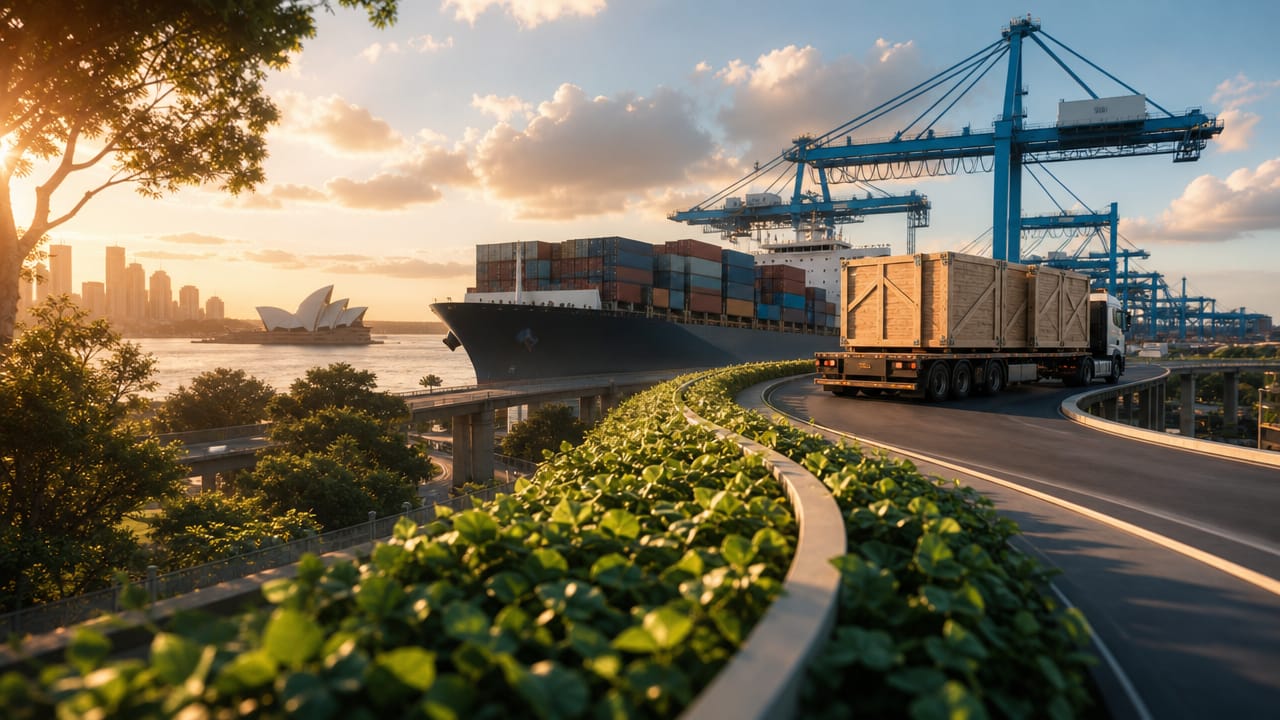
Once freight reaches the venue city, practical details such as venue loading dock access, time‑specific delivery windows and forklift rules become critical. Exhibition organisers often appoint official logistics partners to manage on-site trade show logistics, including marshalled deliveries, empty case storage and return transport after exhibitions. These end‑to‑end services may appear more expensive than generic carriers but can prevent demurrage, damage and missed bump‑in slots. Many exhibitors combine general carriers for long‑haul moves with specialists for 4. Exhibition Logistics and Freight at the venue itself. This hybrid model offers both cost control and the assurance of experienced local handling teams.
To choose the right partner, exhibitors should seek itemised quotes that separate base freight, fuel surcharges, documentation, terminal handling and onsite services. It is equally important to probe tracking visibility, weekend or after‑hours support and how providers coordinate with venue operations teams. Providers experienced in event freight understand the pressure of fixed show dates and can adjust quickly when designs, quantities or locations change. As competition intensifies on the show floor, streamlined exhibition freight becomes a quiet advantage that protects both budgets and brand reputation. If you are planning a stand in Australia, consider speaking with a specialist to compare options, clarify responsibilities and lock in a freight plan that will arrive on time, every time.
Input your search keywords and press Enter.